Demystifying Hazard Classifications to Debottleneck Design Delivery: Insights from UltraFacility 2025

At the UltraFacility 2025 Annual Conference, Farnsworth Group’s Brandon Ekberg, Principal of Advanced Manufacturing and Technology, and Trent Adelmann, Process Engineering Associate, led a roundtable focused on a complex challenge in advanced manufacturing: hazard classification impacts to the design delivery process. 
 

Hazard Classifications impact Building Design 

All building design decisions start with room occupancies determined by hazard classifications. These decisions must then consider applicable building and fire code requirements which are organized by hazard. Incorrectly assigning hazard classifications can critically impact project costs, impact hazard communication programs, and delay system and building design schedules in all project phases from programming to permitting.  

“We often find that project teams are not well aligned on concepts of control areas and High hazard occupancy limitations and restrictions.  Chemical inventories must be carefully managed from the beginning.  Classifications have to be finalized quickly so engineers and architects can properly assign room occupancy and design code required access and egress requirements.”

Brandon EkbergPrincipal of Advanced Manufacturing and Technology

Hazard Classification Challenges 

Hazard classifications of chemicals are determined primarily by information contained in their respective Safety Data Sheet.  Architects, Engineers, Owners, and other experts assign IBC compliant hazard classifications from Safety Data Sheet information which often includes NFPA 704’s hazard ratings and the UN’s Globally Harmonized System of Classification and Labeling of Chemicals (GHS) hazards. When information in Safety Data Sheets is insufficient for hazard classification, other authoritative resources are used like OECD’s eChem Portal and NIH’s PubChem database. 

“The classification process can be very challenging when the chemical Safety Data Sheets don’t have well defined information, information is missing, or there is conflicting information between different Safety Data Sheets.  Other authoritative data sources often must be used to derive credible and defendable IBC hazard classifications.”

Trent AdelmannProcess Engineering Associate

Innovative Approaches from Farnsworth Group 

In response to these challenges, Farnsworth Group has developed proprietary tools designed to streamline compliance and scenario analysis.  Farnsworth Group has also developed a robust chemical database to aid in hazard classification and other industrial process safety tasks. 

“We’ve developed an analysis tool that greatly shortens the time needed to evaluate the impacts from a change in chemicals or gases on a project.  In a working meeting with the client, we can make real-time changes to room locations, quantities, container sizes, classifications….and have instantaneous MAQ feedback that enables us to make immediate code compliant corrections.  This is a tremendous help to our clients in performing what-if scenario planning more quickly and shortening their design cycle.”

Brandon EkbergPrincipal of Advanced Manufacturing and Technology
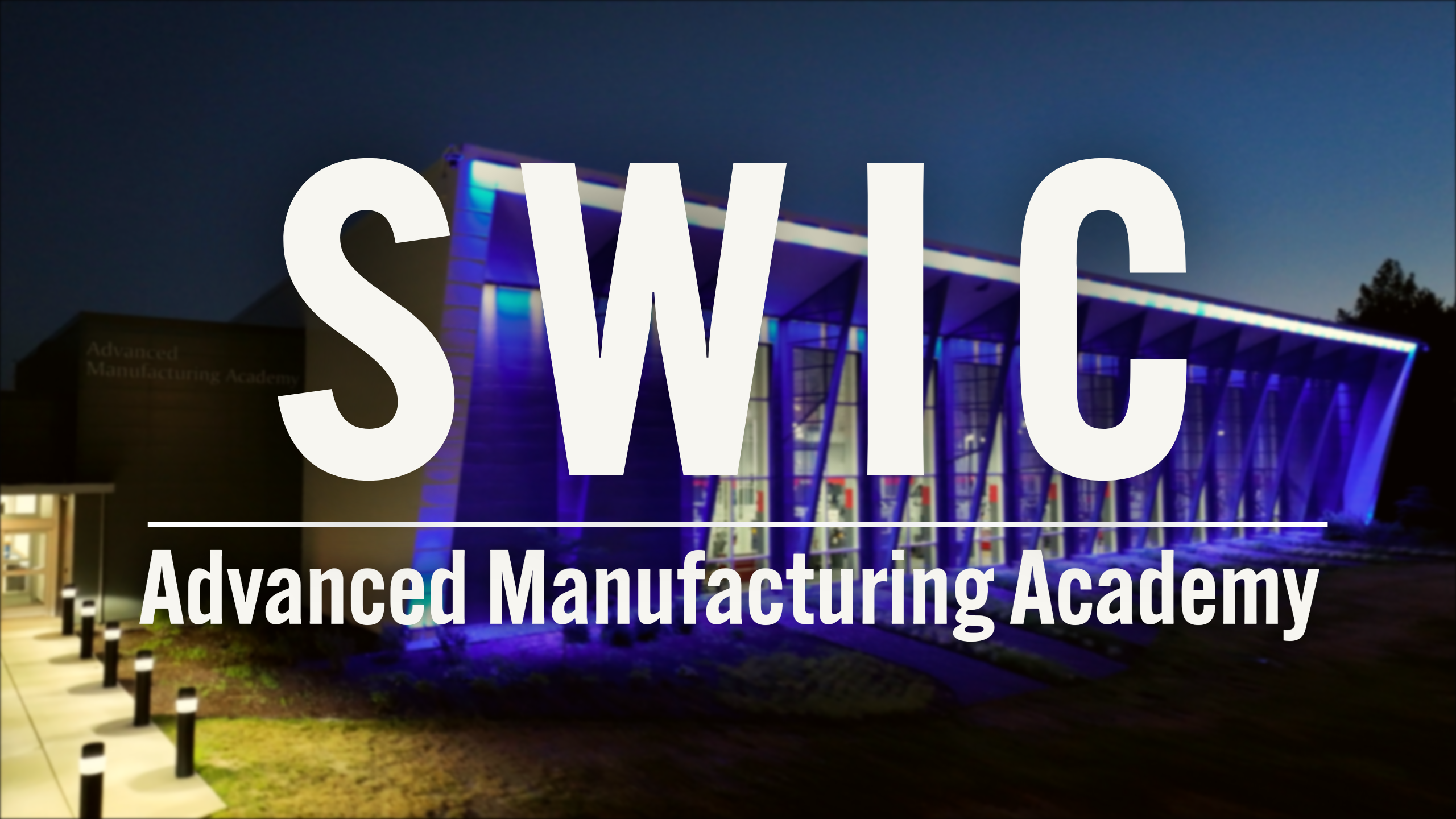
Southwestern Illinois College (SWIC) Advanced Manufacturing Academy

Southwestern Illinois College (SWIC) has launched a new Advanced Manufacturing Academy, supported by Farnsworth Group’s multi-disciplinary design team.

The state-of-the-art facility was made possible by a $7.5 million grant from the Illinois Department of Commerce and Economic Opportunity (DCEO).

Farnsworth Group played a pivotal role in the project, delivering a comprehensive suite of services that included architecture, interiors, landscape architecture, civil engineering, MEP engineering, structural engineering, and grant assistance.

Spanning 31,265 SF, the new training academy expands SWIC’s strong foundation in manufacturing education, including a precision machining pathway, supported by modern computer labs, general classrooms, a high-bay shop, a large equipment room, and a full range of support spaces.

A unique benefit of this program is its early access to vocational training through The CAVE at Belleville East High School, another project where Farnsworth Group provided full A/E services.

This initiative enables students to start developing hands-on skills in manufacturing before graduation, creating a seamless transition from high school to rewarding careers.

The City of Red Bud Unveils New Splash Pad at Ratz Memorial Park, powered by Farnsworth Group and State Grant

A community park in Red Bud has received a vibrant new lease on life. Thanks to a strategic partnership between the City of Red Bud and national design firm Farnsworth Group, Ratz Memorial Park now features a brand-new splash pad and upgraded amenities designed to bring families together and boost local tourism.

The transformation was made possible through an Open Space Land Acquisition and Development (OSLAD) grant from the Illinois Department of Natural Resources, secured with the support of Farnsworth Group’s planning and engineering team.

“The grant was of utmost importance; in fact, I don’t think the project would have happened without the grant,” said Red Bud Mayor Susan Harbaugh in a recent video celebrating the park’s reopening.

At the heart of the renovation is a 2,000-square-foot splash pad, one of the most requested features by local families. The zero-depth water play area is fully ADA-compliant and designed for children of all ages and abilities, promoting inclusive, active play.

“A space for people to gather, a highly visible and attractive space for people to… bring their kids and bring the community together.” said Jacob Heck, Project Manager at Farnsworth Group. “Having a regional draw means you get people from out of town visiting local restaurants and shops, which is super important for a small town.”

The revitalized park also includes improved accessibility features and design elements that encourage outdoor activity, wellness, and social connection. The project reflects Farnsworth Group’s commitment to creating spaces that are not only functional but also meaningful to the communities they serve.

The splash pad is already making waves across Randolph County as a new summer destination for families and visitors alike.

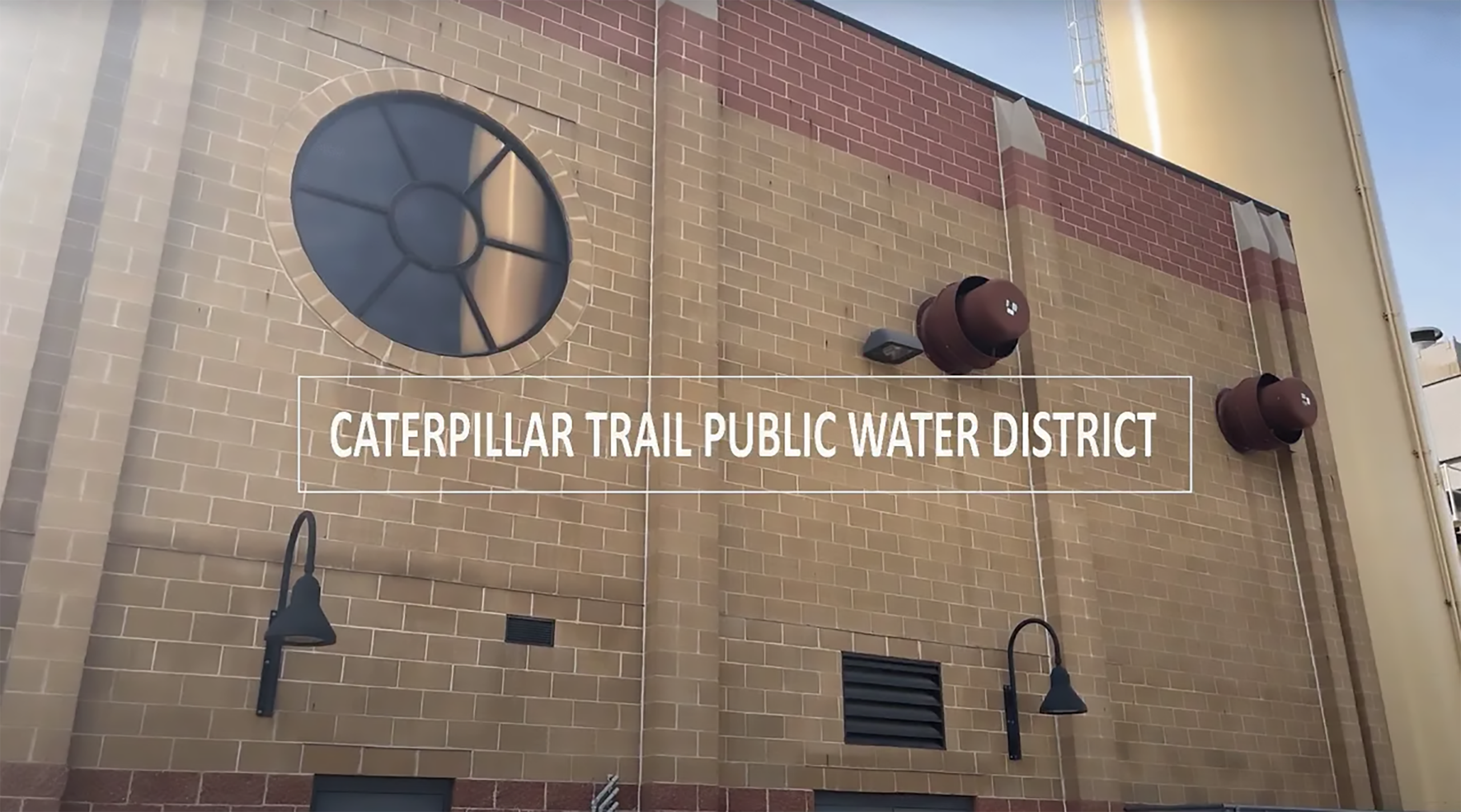
Caterpillar Trail Public Water District Treatment Plant Project Spotlight

Recently, a thunderstorm rolled through Peoria, IL, unleashing a lightning strike that severely damaged the communications and controls at the Caterpillar Trail Public Water District’s Water Treatment Plant. Farnsworth Group’s dedicated SCADA and controls engineers were called to help as the damage threatened to disrupt operations. Within an hour, they were on-site, assessing the damage and working tirelessly against the clock. By the end of the day, they had restored manual operations and devised a swift workaround for automatic operation, ensuring the plant continued to operate seamlessly. With the capacity to handle up to 2.5 million gallons of water daily, the plant’s uninterrupted service was crucial to the District’s customers. 

Thanks to our team’s rapid response and innovative problem-solving skills, customers did not experience any disruption to their water supply. This incident is just one chapter in our long-standing relationship with Caterpillar Trail Public Water District. Since 1999, Farnsworth Group has been a trusted partner, guiding the District’s planning, design, and construction to provide its customers with a safe and reliable water system.