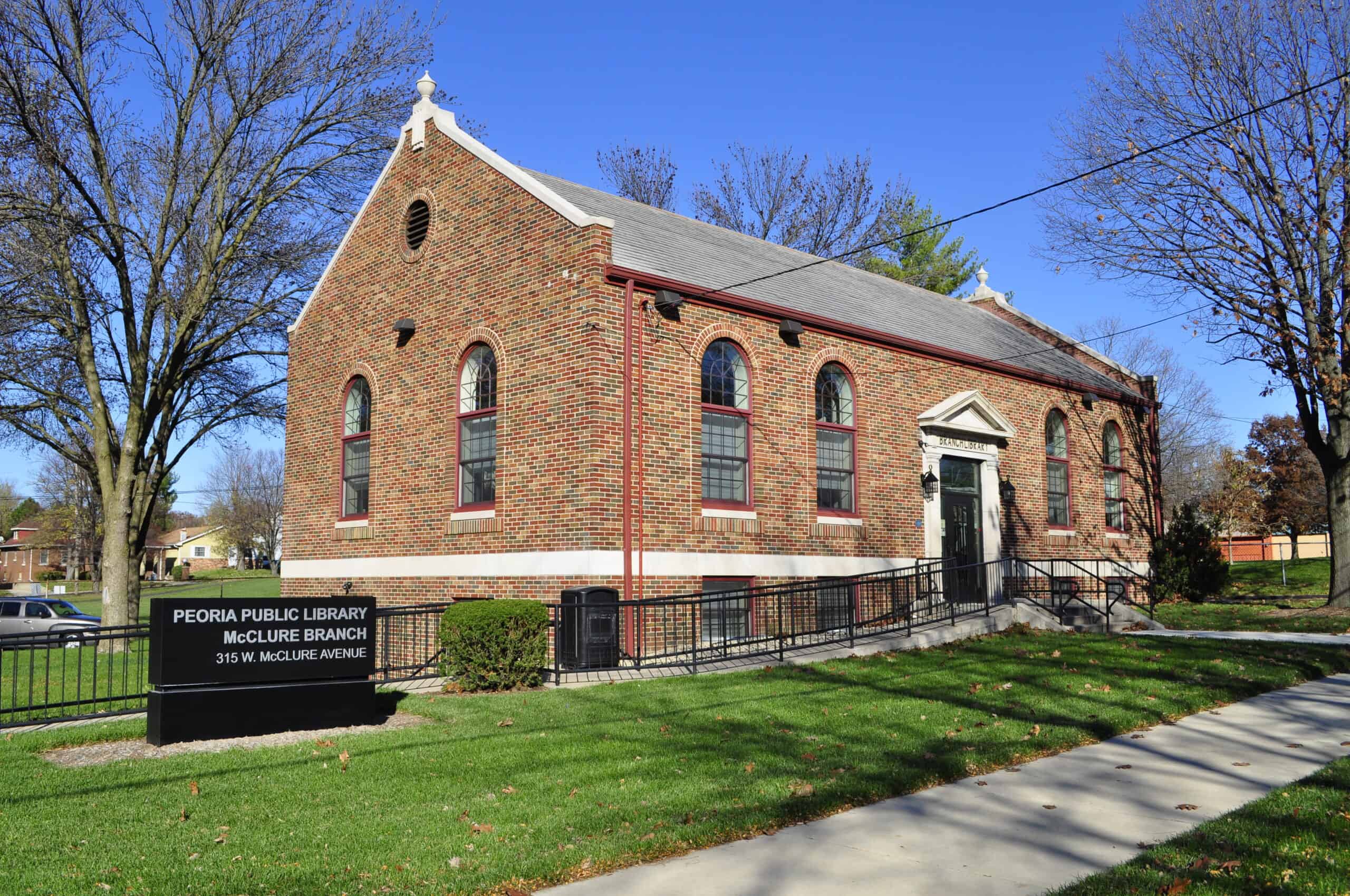
Cultural
“Most needed are those ‘third places’ which lend a public balance to the increased privatization of home life. Third places are nothing more than informal public gathering places. The phrase ‘third places’ derives from considering our homes to be the ‘first’ places in our lives, and our work places the ‘second.’”
– Ray Oldenburg, Noted American urban sociologist & author of The Great Good Place
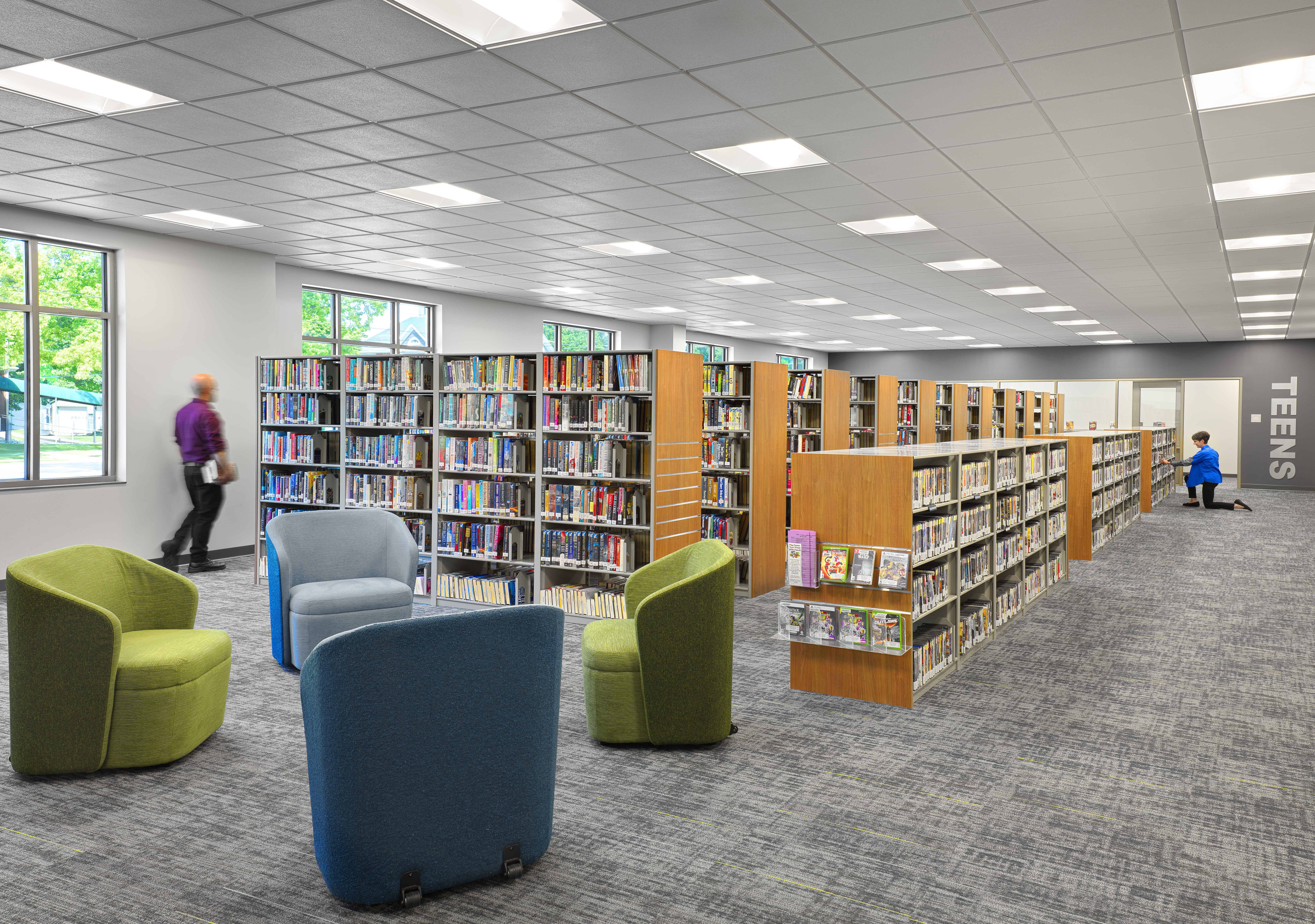
Those “third places” so embraced by Professor Oldenburg have the power to shape how our communities see themselves and how they connect with the world beyond their borders. A library, a museum, a performing arts center, or a house of worship can become a shared civic anchor, offering access to knowledge, creativity, history, and the collective experience.
Markets
- Community Centers
- Historic Preservation
- Libraries (Public & Academic)
- Museums
- Not-For-Profit Facilities
- Religious
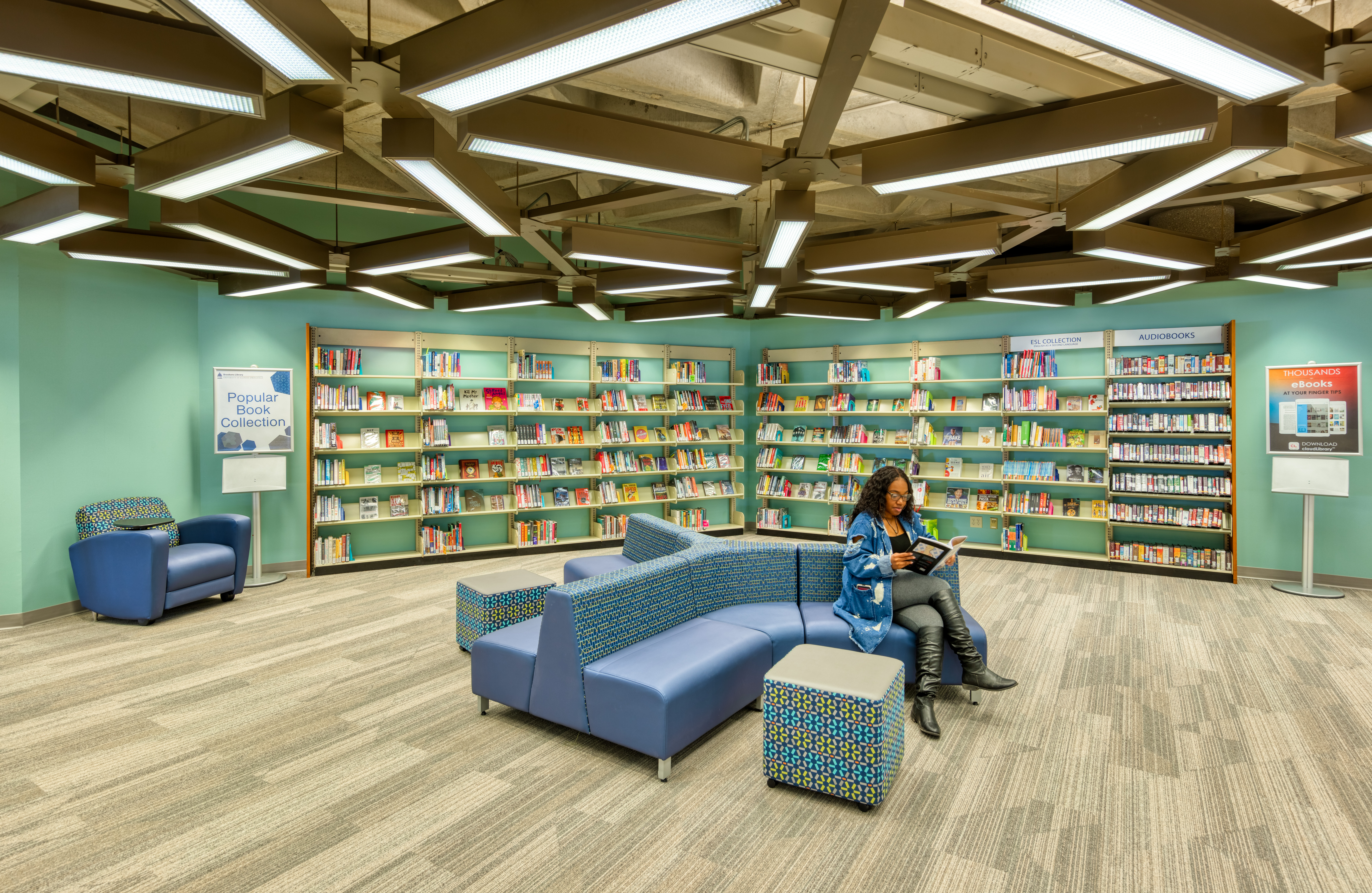
Public Spaces
Farnsworth Group firmly believes that these cultural spaces are dynamic contributors to that shared public life. When designing these spaces and places, we think of them as:
- Windows on the world, providing access to ideas, stories, and perspectives that extend far beyond a community’s immediate surroundings.
- Guardians of identity, preserving the history, art, and narratives that define local character and collective memory.
- Hubs of connection, bringing people together for learning, dialogue, performance, and shared experience.
- Stewards of cultural resources, extending the life of collections, facilities, and public assets through thoughtful reuse, care, and adaptation.
- Keepers of the public record, ensuring that cultural and intellectual legacies remain accessible across generations.
- Homes for dedicated professionals, including librarians, curators, educators, and artists whose work fuels curiosity, creativity, and lifelong learning.
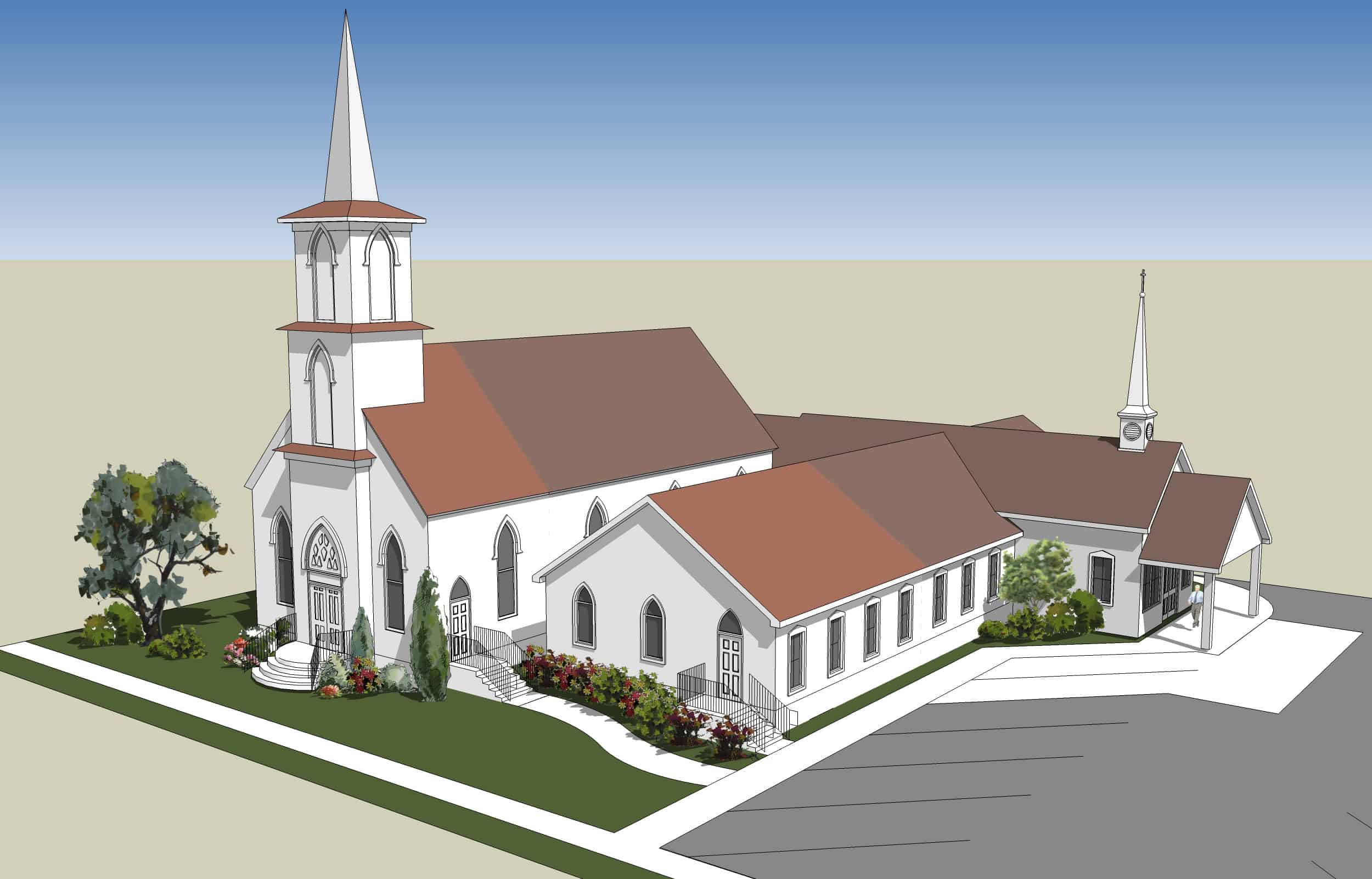
Daily Use Environments
Farnsworth Group furthermore believes that these environments must balance continuity with change. Cultural spaces are rooted in tradition, yet they must evolve alongside new technologies, new audiences, and new ways people gather and engage. Through thoughtful planning and design, cultural facilities can remain welcoming, relevant, and resilient, supporting both daily use and moments of shared significance for generations to come.