City of Pontiac Wastewater Treatment Plant Improvements

Client

City of Pontiac

Location

Pontiac, IL

The City of Pontiac, IL, needed to comply with new phosphorus discharge limits while addressing aging wastewater treatment infrastructure that had seen limited upgrades since the 1980s.

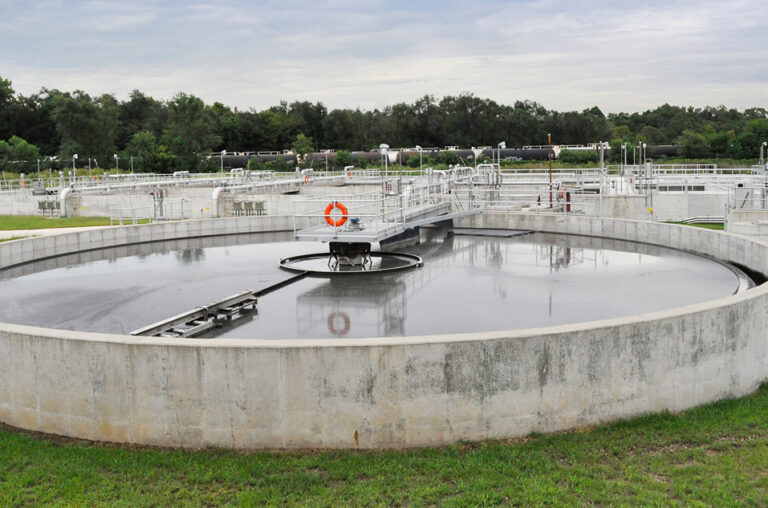
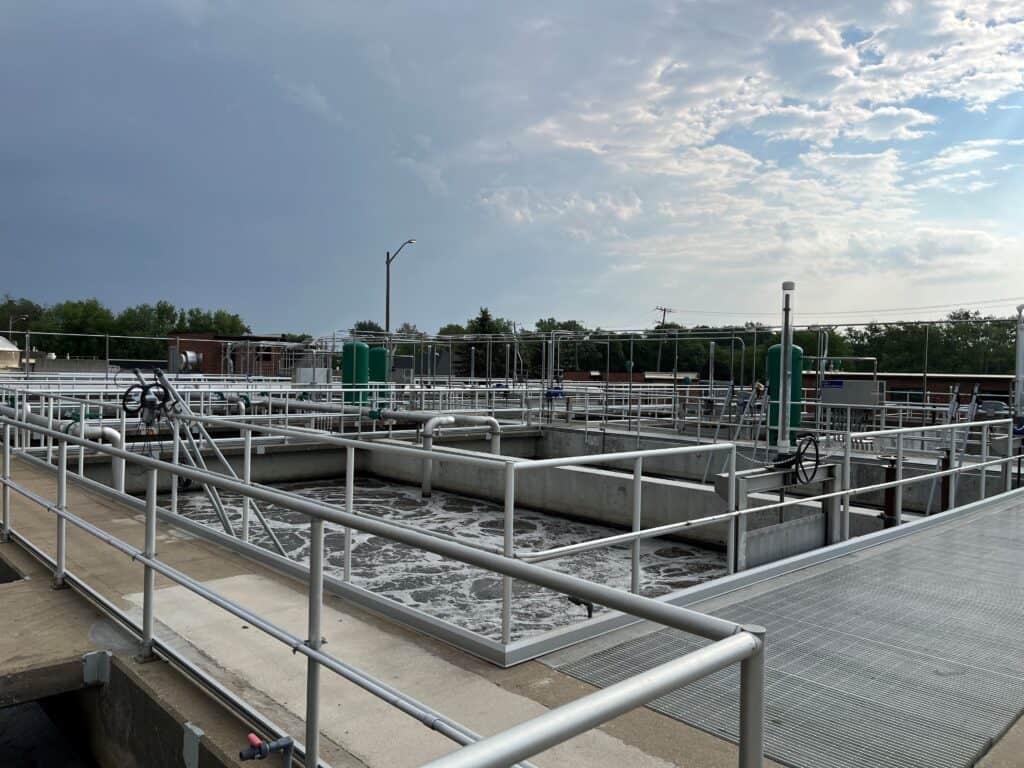
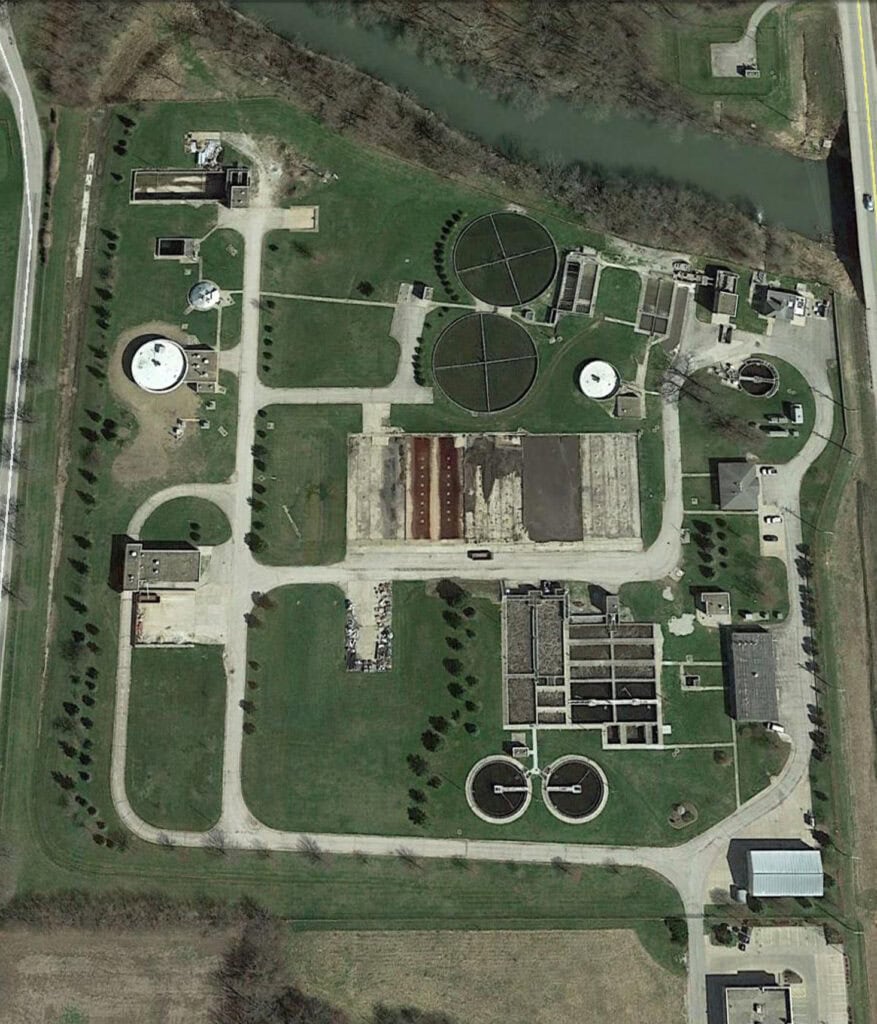
Farnsworth Group completed a phosphorus removal feasibility study and optimization plan using GPS-X process modeling to evaluate biological nutrient removal alternatives. Recommended improvements included reconfiguration of existing aeration basins with anaerobic and anoxic treatment zones, conversion of underutilized facilities for tertiary filtration and fermentation processes, a new secondary clarifier, lift station capacity expansions, force main improvements, and plant-wide electrical and SCADA upgrades.

The improvements provide a cost-effective path to nutrient compliance while increasing treatment reliability, operational efficiency, and capacity for future growth.

The City advanced the recommended improvements into design and construction, including biological treatment enhancements, pump and blower replacements, solids handling upgrades, lift station expansions, and system-wide controls modernization.
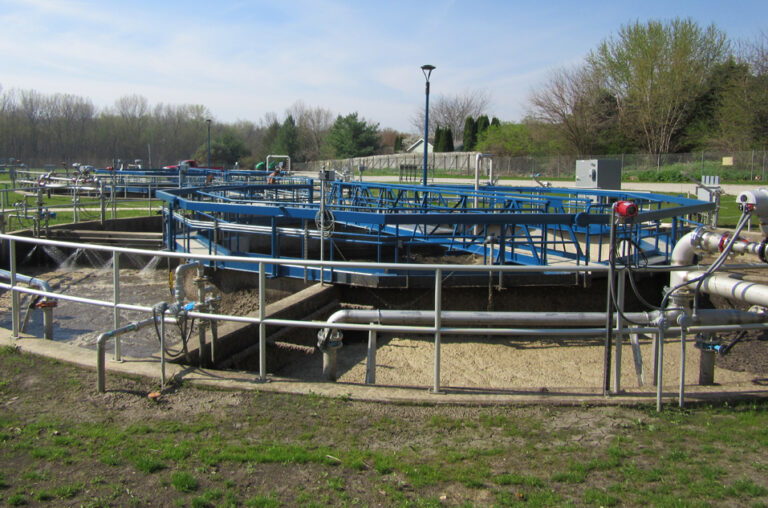
The City of Pontiac, IL, needed to comply with new phosphorus discharge limits while addressing aging wastewater treatment infrastructure that had seen limited upgrades since the 1980s.

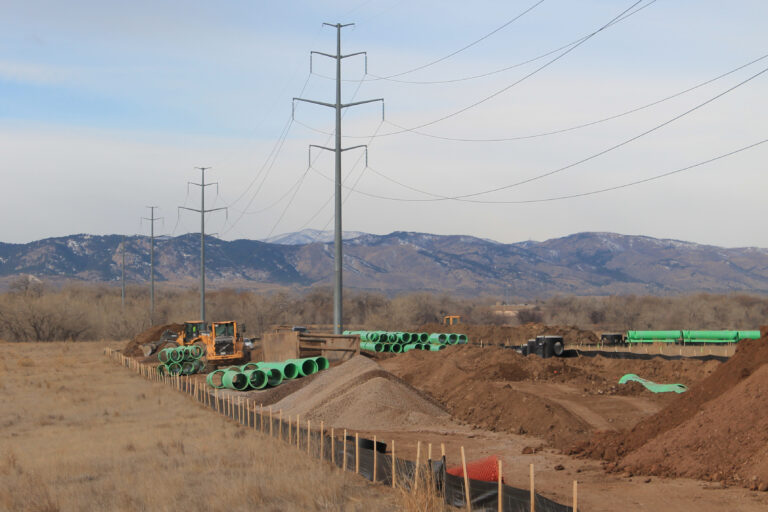
Farnsworth Group completed a phosphorus removal feasibility study and optimization plan using GPS-X process modeling to evaluate biological nutrient removal alternatives. Recommended improvements included reconfiguration of existing aeration basins with anaerobic and anoxic treatment zones, conversion of underutilized facilities for tertiary filtration and fermentation processes, a new secondary clarifier, lift station capacity expansions, force main improvements, and plant-wide electrical and SCADA upgrades.

The improvements provide a cost-effective path to nutrient compliance while increasing treatment reliability, operational efficiency, and capacity for future growth.

The City advanced the recommended improvements into design and construction, including biological treatment enhancements, pump and blower replacements, solids handling upgrades, lift station expansions, and system-wide controls modernization.